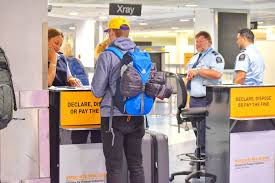
New Zealand Biosecurity: What Van Travellers Need to Know Before Arriving
What to declare, what to clean, and what to leave behind. The biosecurity rules that catch travellers out every day.
New Zealand is one of the most isolated island ecosystems on earth - and it stays that way because of strict biosecurity at the border. The rules are not bureaucratic red tape. A single infected piece of fruit or a tent peg carrying foreign soil can introduce pests or diseases that devastate farms, forests, and native wildlife. For van travellers arriving with camping gear, outdoor equipment, and food from the road, these checks matter more than most.
The good news: getting through biosecurity is straightforward if you know the rules before you land. The people at the border are not trying to catch you out - they are trying to protect the country. Honest, prepared travellers almost never have problems.
What Actually Gets Travellers Caught Out
Most biosecurity issues at the New Zealand border are not deliberate. They happen because travellers bring things that seem harmless - food from home, gear from their last trip, a souvenir bought at a market. Here is what biosecurity officers find most often:
- Camping and outdoor gear — Hiking boots with dried mud on the soles. Tent pegs with soil attached. Used sleeping bag stuffed into a bag since the last trip. Any item that has touched soil, plants, or fresh water overseas is considered high-risk.
- Food - including things that seem fine — Fresh fruit, vegetables, meat, eggs, and dairy are prohibited or strictly controlled. But it also includes packaged snacks containing nuts or seeds, honey (even factory-sealed jars from reputable brands), herbal teas, and spices.
- Fishing and water sports equipment — Fishing lures, waders, kayak gear, and anything that has been in fresh water overseas. Freshwater biosecurity is treated as seriously as land biosecurity - didymo (rock snot) and other aquatic invasives have already reached some NZ waterways.
- Sports equipment — Golf clubs, bike tyres, and cleats with soil or grass residue. Used sporting equipment that has been outdoors needs to be cleaned before arrival.
- Natural souvenirs — Wood carvings, shells, dried flowers, items made from animal parts (fur, feathers, bone). Even if you bought it in a shop, natural materials may require declaration or inspection.
⚠️ Watch Out
Detector dogs at New Zealand airports are trained to find food and organic material - not just contraband. They are extremely good at their job. Do not rely on sealed packaging to protect you.
The Two Rules: Clean and Declare
Everything you need to know about arriving in New Zealand safely comes down to two things.
1. Clean
Before you pack for New Zealand, set aside 10 minutes to go through any gear that has been used outdoors - anywhere in the world, not just your last destination.
- 1Boots and footwear — Scrub the soles with a stiff brush until you cannot see any soil, plant matter, or debris. Pay attention to the tread grooves. If you have been hiking, this is the single most important thing you can clean.
- 2Tent, tent pegs, and guy ropes — Shake out the tent and brush off any dried mud from pegs and poles. Check seams and pockets for seeds or plant fragments.
- 3Bike tyres and pedals — Wash tyres thoroughly. Soil caught in the tread is a common interception point.
- 4Fishing and water gear — Wash, dry, and ideally freeze freshwater fishing equipment before travel. Dry thoroughly - many aquatic organisms cannot survive desiccation.
- 5Any gear that has touched soil, plants, or fresh water — If it has been outdoors and it is not clean, it needs to be cleaned or declared. When in doubt, clean it anyway.
2. Declare
On arrival you will complete a New Zealand Passenger Arrival Card. The card asks whether you are carrying food, plant material, animal products, or outdoor equipment. When in doubt, tick yes and declare it.
💡 Key Point
If you declare an item and it turns out to be prohibited, the officer will take it away - that is the end of it. No fine, no record. If you fail to declare something that is found during inspection or by a detector dog, you face an instant infringement fine of NZD $400, and potentially much more for deliberate concealment.
Biosecurity officers are not trying to catch honest travellers. Declaring something, even if you are not sure, is always the right call. The conversation is quick and the outcome is almost always straightforward.
Quick Reference: What's Allowed, What's Not
- Fresh fruit and vegetables - Prohibited — Do not bring them. The easiest solution: eat them on the plane before landing.
- Meat, poultry, and seafood - Mostly prohibited — Commercial sealed products may be allowed in some cases, but fresh or unpackaged meat is prohibited. Declare anything you are unsure about.
- Honey - Strictly controlled — Most imported honey is prohibited to protect New Zealand's bee population from exotic diseases. This includes commercially sealed jars. Leave it behind.
- Eggs and dairy - Restricted — Fresh eggs are prohibited. Some commercially processed dairy products are allowed - declare them for inspection.
- Nuts and seeds - Declare — Commercially packaged snacks containing nuts or seeds must be declared. Many are allowed after inspection; some are not.
- Used camping and outdoor gear - Declare, must be clean — Gear that has been used outdoors must be free of soil, seeds, and organic debris. Declare it on arrival.
- Wood, shells, and natural crafts - Declare — Most commercially purchased wooden items and shells are fine after inspection, but must be declared.
- Medications - Generally allowed, declare if large quantity — Prescription medication for personal use is generally fine. Bring documentation for anything in large quantities.
ℹ️ Good to Know
The definitive list of what is and is not allowed is maintained by the Ministry for Primary Industries (MPI) at mpi.govt.nz. If you have a specific item you are not sure about, check there before you travel - the tool lets you search by item name.
For Van Travellers Specifically
If you are arriving in New Zealand to buy a campervan and travel, there are a few things worth knowing that most general guides do not cover.
- 1Your camping gear is the main risk — Most food-related biosecurity issues are caught and resolved quickly. The bigger practical concern for van travellers is outdoor equipment - especially footwear, sleeping gear, and anything used near soil or fresh water. Clean it before you pack.
- 2Once you are in New Zealand, biosecurity rules continue to apply — Moving between the North and South Islands (by ferry or flight) requires a check for some items - particularly fresh produce and marine species. The same 'clean and declare' principle applies.
- 3Freedom camping near natural areas means you are responsible — If you are camping near sensitive ecosystems - native bush, wetlands, or DoC land - you play a role in not spreading invasive species between locations. Cleaning boots and gear between sites matters even after arrival.
- 4Buying food in New Zealand is easy — Do not risk a fine trying to bring food through biosecurity. New Zealand supermarkets are well-stocked, and fresh produce is excellent and affordable. Leave the food at home.
💡 Key Point
The Vanzy tip: when you arrive at the biosecurity checkpoint, be direct. Tell the officer exactly what you have. They process hundreds of travellers a day and appreciate straightforward answers. The declaration card exists so they can help you - not penalise you.
Watch: NZ Biosecurity Explained
New Zealand Customs and the Ministry for Primary Industries put together this short explainer on what to expect at the biosecurity checkpoint.